
From Ambulances to Seatbelts: The New Era of Program Confidence
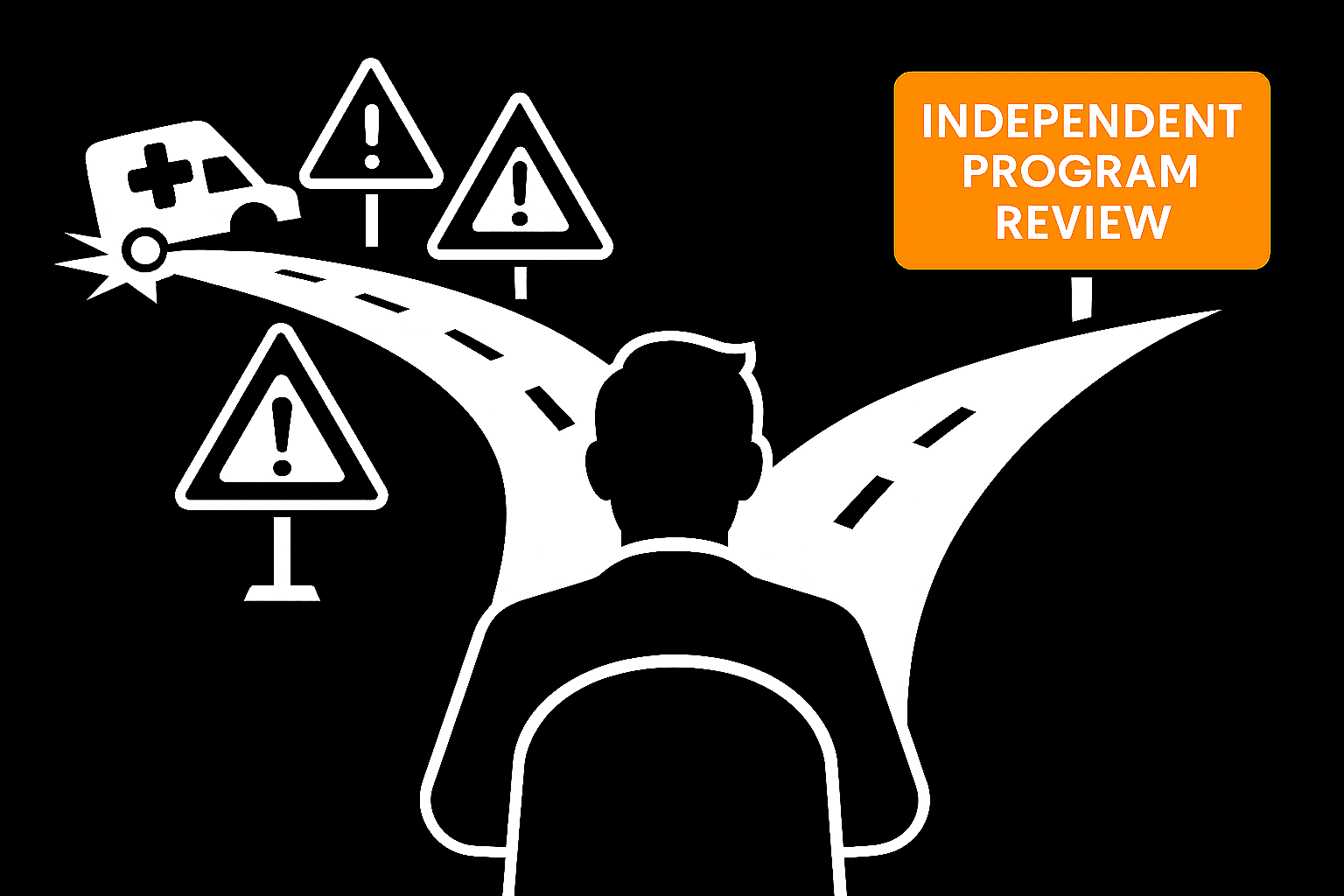
For years, Independent Program Reviews (IPRs) have carried a familiar reputation – the professional equivalent of calling 999 when optimism finally meets reality.
When programs slip, budgets stretch, and confidence evaporates, organisations have traditionally turned to external experts to restore order.
Mentor has spent decades answering those calls – helping leadership teams regain control and salvage credibility.
But hard experience has revealed a deeper truth:
By the time the ambulance arrives, value has already left the building. Capital, credibility, and patience are all casualties of delay.
The Quiet Revolution: From Rescue to Prevention
In the last two years, a quiet revolution has taken hold.
Forward-thinking clients are no longer waiting for the crash – they’re buckling up before take-off.
They’re using independent scrutiny – not as a last resort – but as a routine safeguard that protects ambition and delivery confidence from the very start.
Organisations like Boldyn Networks and Cornerstone illustrate this shift.
Boldyn, tasked with delivering the Roma 5G network for the Pope’s jubilee, brought Mentor in early – not to fix failure, but to test delivery risk, dependencies, and sequencing before execution began.
Cornerstone did the same with its Shared Rural Network program, uncovering hidden weaknesses early enough to act on them – long before the headlines could.
In both cases, independence wasn’t about crisis control; it was about course correction, clarity, and confidence.
The Seatbelt Metaphor
This shift is best captured by a simple metaphor: The IPR is becoming less like an ambulance and more like a seatbelt.

Seatbelts don’t slow you down; they let you move faster with confidence.
In the same way, an IPR provides quiet, continuous assurance that complex programs can stay on course – invisible when things go right, indispensable when they don’t.
Reframing the “R”: From Review to Resilience and Reassurance
The modern IPR isn’t a compliance exercise or a box-ticking review.
It’s an independent pressure test – a disciplined way to ensure that assumptions, dependencies, and delivery logic truly hold up under real-world conditions.
Today, the “R” stands for Resilience and Reassurance as much as Review.
Mentor’s approach is collegial, not corrective – working alongside leadership teams to strengthen what’s already good and to make sure their confidence is justified.
Executives don’t resist logic; they resist exposure.
The right IPR makes truth safe – surfacing blind spots early, before they become crises.
Operational Due Diligence: The New Standard
Clients now recognise that operational due diligence matters as much as financial due diligence.
They’re embedding IPRs into their governance rhythm – commissioning them at key lifecycle points such as before commitment gates, supplier onboarding, or major resets.
Some even make IPRs a condition of board approval, ensuring directors see unfiltered delivery evidence before releasing capital.
The goal isn’t fault-finding. It’s protecting ambition and capital by making sure programs are genuinely fit for purpose.
The Payoff: Confidence, Predictability, Trust
For organisations like Boldyn and Cornerstone, the payoff has been clear:
· Delivery timelines grounded in evidence
· Dependencies mapped and managed
· Leadership aligned and informed
· Issues surfaced early – clearly and without spin
Boards and shareholders sleep better knowing confidence is based on truth, not presentation. Teams execute with focus instead of firefighting.
Why It Matters Now
The next decade of infrastructure and technology programs will be defined by scale, complexity, and scrutiny.
Investors and boards will no longer release capital on optimism alone; they will demand proof that delivery is under control before projects begin.
Mentor’s seatbelt model meets that need – moving IPRs from reactive governance to proactive stewardship.
The same independence that once saved failing programs now safeguards successful ones.
The New Normal
Two years ago, prevention was the exception. Now, it’s becoming the rule.
Smart organisations are done waiting for the ambulance – they’re strapping in early, calmly, and with eyes open.
Because in program execution, the real mark of maturity isn’t how well you recover from failure – it’s how deliberately you prevent it.
If you would like to find out more, contact me at david.hilliard@mentoreurope.com or call me on 07860 222282.
About the author
David Hilliard is founder of Mentor, specialists in strategic program execution.
You can call him on 0118 359 2444 or email david.hilliard@mentoreurope.com.